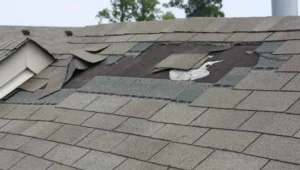
If your roof is actively leaking or showing signs of failure, waiting until spring simply because winter is approaching can increase the risk of water reaching the roof deck, insulation, ceilings, or walls. A stable roof may give you more flexibility, but the decision should follow the roof’s condition, not the calendar.
Akron-Canton averages more than 47 inches of snow a year, with average winter temperatures below freezing in January and February. That does not mean every fall roof issue becomes an emergency. It means homeowners should understand whether they are dealing with normal aging, a repairable problem, or a roof that should be evaluated before winter adds more stress.
What Happens If You Wait Until Spring for Roof Replacement?
Waiting can turn a manageable roofing problem into a larger project if damaged shingles, flashing, or other vulnerable areas are already allowing water into the roofing system. Roof replacement may still be possible in spring, but the cost of delaying roof replacement can increase when water reaches materials below the roof covering.
- Small Leaks: A small leak can travel through roof penetrations, flashing, or damaged shingles before it becomes visible inside the home. The first interior stain may appear long after moisture has already affected insulation, wood, or ceiling materials.
- Moisture Spread: Repeated moisture gives building materials more opportunity to absorb water and dry slowly. If the roof is already letting water in, the damage can expand the scope of roof replacement because the project may require additional inspection, removal, drying, or repair.
- Snow and Ice: Winter moisture creates another concern when melting snow refreezes near colder roof edges. Water can back up behind an ice dam and reach vulnerable roof areas, especially where the roofing system, attic insulation, or ventilation already has problems.
- Interior Damage: Water can affect ceilings, walls, insulation, trim, flooring, and stored belongings when a roof problem continues unchecked. These hidden costs sit outside the original roofing work and may require separate repairs.
Homeowner Insight: A ceiling stain is evidence that water has already moved past the roof surface, not proof that the problem started there.
Should You Replace Your Roof in Winter or Wait Until Spring?
Winter does not automatically rule out roof replacement. The contractor needs a suitable weather window and must follow the roofing manufacturer’s cold-weather installation requirements.
For asphalt shingles, cold weather can affect handling, flexibility, sealing, and installation details. For some asphalt shingles, manufacturer instructions call for extra care in cold temperatures and may require additional sealing when normal adhesive activation cannot be relied on. CertainTeed also notes that products have their own cold-weather installation thresholds and procedures.
- Roof Condition: Roof replacement timing should follow the condition of the roofing system more than the season alone. A roof with active water entry or widespread deterioration deserves prompt professional attention, while a stable roof may allow more time for planning.
- Manufacturer Requirements: Replacing a roof in winter can be appropriate when the contractor follows the product instructions for cold-weather handling, fastening, sealing, and storage. Ask how those requirements will be handled before approving the winter installation.
- Spring Planning: Waiting until spring can offer more moderate weather and more planning time when the roof is stable. Those benefits do not outweigh the risk of postponing a roof that is actively leaking or visibly deteriorating.
- Seasonal Demand: The best time of year to replace a roof depends on the roof’s condition, local weather, project scope, and scheduling needs. Homeowners who wait for peak season may have less flexibility if storms create a rush of roof repair and replacement requests.
Planning Tip: Ask whether your roof can safely remain in service through winter, and ask what evidence supports that recommendation.
How Do You Know Your Roof Cannot Wait?

The signs your roof should not wait usually involve repeated problems, visible deterioration, or evidence that the roofing system no longer protects the home reliably. A professional inspection can help separate a targeted repair from a replacement decision without asking homeowners to guess from the ground.
- Recurring Leaks: Repeated leaks in the same area can indicate that a short-term fix is not solving the underlying problem. Ask what caused the failure, what the repair addresses, and whether another repair is likely to protect the home through the next season.
- Visible Deterioration: Missing, cracked, lifted, or heavily worn roofing components can reduce the roof’s ability to shed water. Ground-level observations cannot reveal every problem, but visible changes create a reasonable reason to arrange a closer evaluation before winter weather arrives.
- Attic Evidence: Damp insulation, stained wood, musty odors, or daylight visible through roof areas can point to conditions that need attention. Homeowners should avoid walking on the roof and should share these observations during a roof lifespan and replacement evaluation.
- Active Water Entry: Dripping, spreading ceiling stains, wet attic materials, or repeated moisture after rain or snow are stronger reasons to seek prompt evaluation than roof age alone. If water is already entering the home, emergency roofing services or temporary protection may be needed before a full repair or replacement plan is finalized.
Common Mistake: Homeowners often compare a repair price with a replacement price without asking whether both options address the same underlying problem.
Roof Replacement FAQs
Can a roof be replaced during winter in Ohio?
Yes, a roof can sometimes be replaced during winter in Ohio when weather conditions allow safe work and the contractor follows the manufacturer’s cold-weather installation requirements. The decision depends on temperature, precipitation, roof access, product requirements, and whether the roof condition makes waiting riskier than moving forward.
Is fall a good time to replace a roof in Northeast Ohio?
Fall can be a good time to replace a roof because it gives homeowners a chance to address known issues before snow, ice, and freeze-thaw conditions arrive. If you are unsure whether the roof is ready for winter, a fall roofing checklist can help you identify what to review before scheduling an inspection.
Should I wait until spring if my roof is leaking?
You should not wait until spring if water is actively entering the roofing system or the home. A leak may only need a repair, but prompt evaluation helps determine whether roof repair or replacement is the safer long-term decision.
Can cold weather affect asphalt shingle installation?
Yes, cold weather can affect asphalt shingle flexibility, handling, sealing, and the timing of adhesive activation. That is why winter installation should follow the shingle manufacturer’s requirements and should be performed only when conditions support proper installation.
How can I protect my home after a storm before an inspection?
Keep people away from damaged roof areas, place containers under interior drips, move belongings away from water, and document damage from a safe location. Avoid climbing onto the roof because wet, damaged, or unstable surfaces can create safety risks, and use resources like winter roof leak guidance or ice dam warning signs to understand what may be happening before help arrives.
Roof Replacement Guidance From Silver Leaf Roofing

Do not choose fall, winter, or spring based on the calendar alone. If the roof is stable, you may have time to plan. If it is leaking or deteriorating, delaying the evaluation can expose more of the home to damage.
Permit requirements vary by jurisdiction; Stark County, for example, requires permits for residential roof replacement and reroofing in areas under its building authority.
Silver Leaf Roofing can inspect the roof and explain whether repair, temporary protection, or replacement makes sense before winter. If you want clear next steps for your home, schedule a free estimate before waiting until spring.