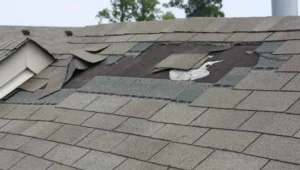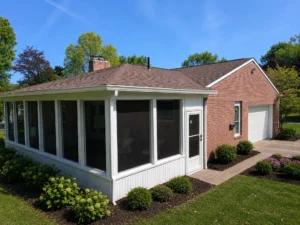
Fall is one of the best times to replace an aging roof in Ohio before winter weather arrives. Homeowners who put roof work off during the summer still have an opportunity to address leaks, worn shingles, or widespread deterioration before snow, ice, and repeated freeze-thaw conditions make existing problems harder to ignore.
The goal is not to wait for a perfect fall day. It is to identify whether your roof needs replacement now and schedule the work during a suitable stretch of weather before winter limits your options.
Why Fall Can Work Well for an Ohio Roof Replacement
Fall gives Ohio homeowners a valuable window to replace an aging roof before winter weather settles in. Temperatures are often more manageable than peak summer heat, and completing the work before snow and ice arrive can help homeowners avoid carrying known roofing problems into the coldest part of the year.
Weather still determines the exact installation day. Rain, high winds, or unusually cold conditions can move the schedule, so it is smart to plan the project early enough in the season to leave room for a weather delay rather than waiting until winter is already approaching.
The Installation Window Matters More Than the Season
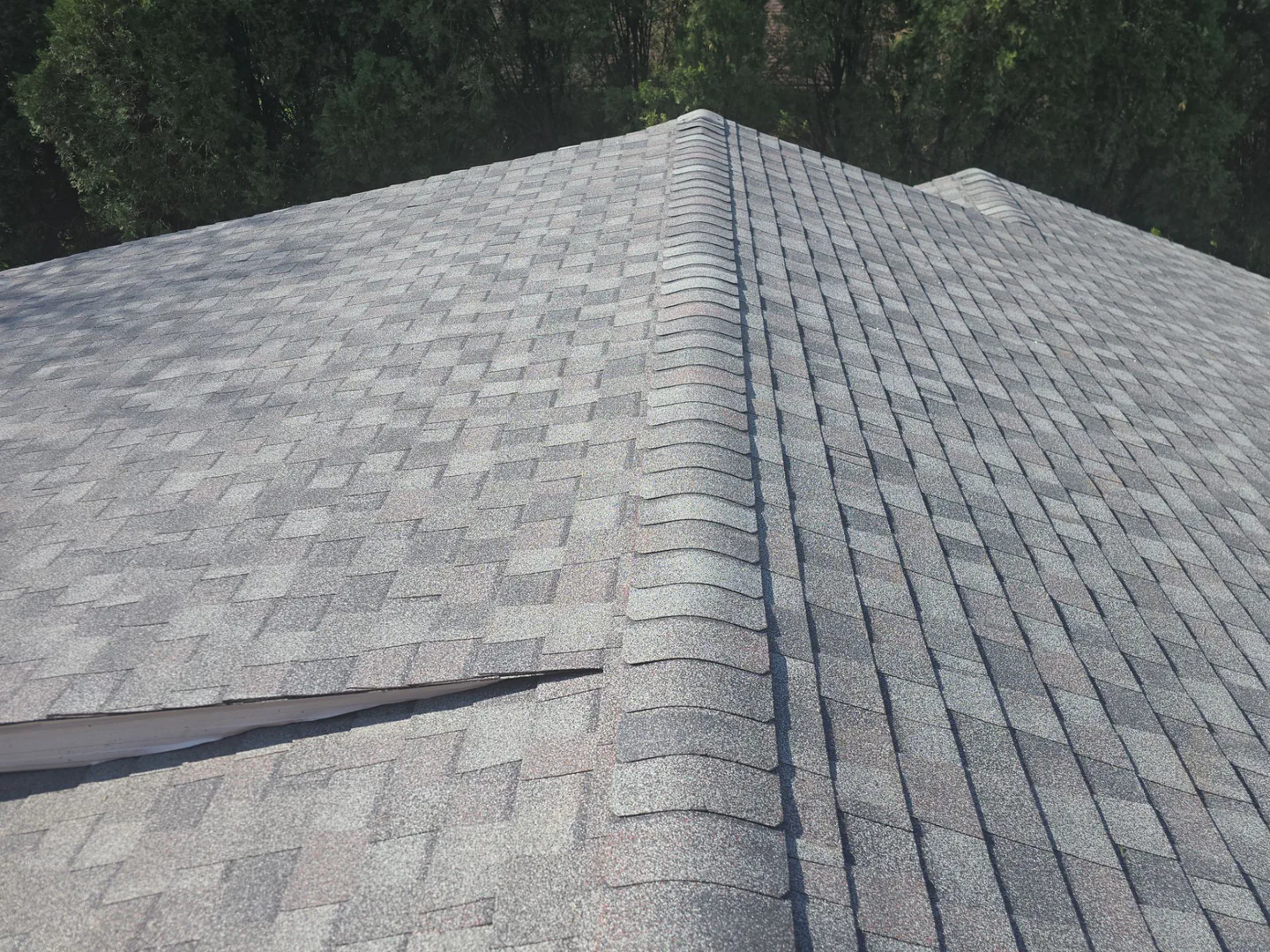
Fall roofing conditions can be very workable, but the crew still has to install the selected materials according to the manufacturer’s requirements for the day’s temperature and weather. Asphalt shingles can become stiffer as temperatures drop, so later-season installations may require additional attention to handling and sealing.
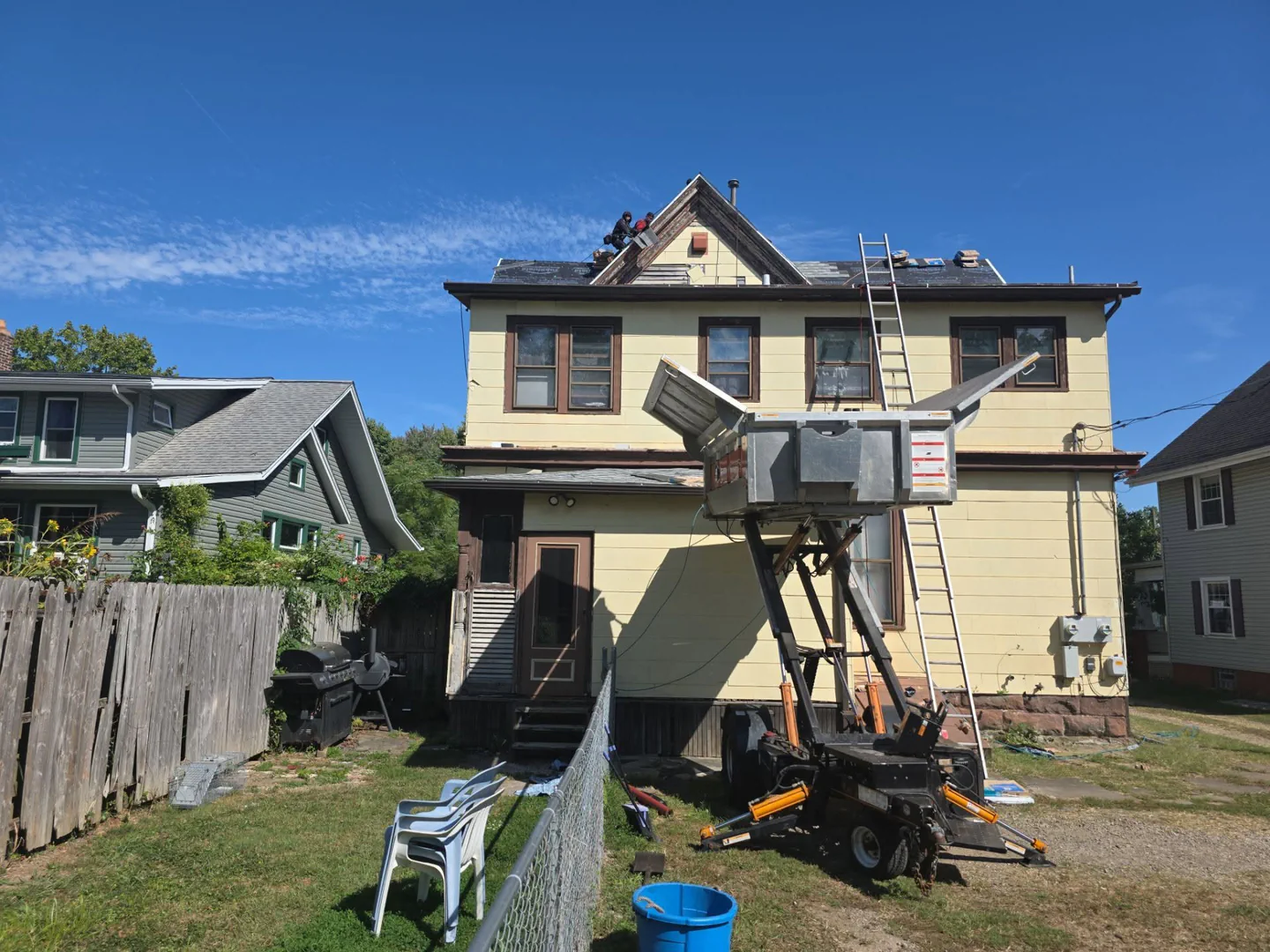
Silver Leaf’s residential roof replacement service includes removing the existing roofing so the roof deck underneath can be inspected. If damaged wood is uncovered during that process, ask how you will be shown the problem and how any additional work will be approved before it moves forward.
Fall vs. Summer, Winter, and Spring
Each season creates different roofing conditions, but fall offers an important advantage for homeowners with an aging roof: the opportunity to finish the work before winter. Summer can bring high heat and storms, while winter brings colder temperatures, snow, and fewer workable installation days. Spring may be a reasonable time to replace a roof that is still performing well, but waiting several more months may not make sense when problems are already developing.
If you spent the summer watching a leak, worn shingles, or other signs of deterioration, fall is a good time to stop postponing the decision. Addressing the roof before winter can prevent you from entering the colder months with a problem you already know exists.
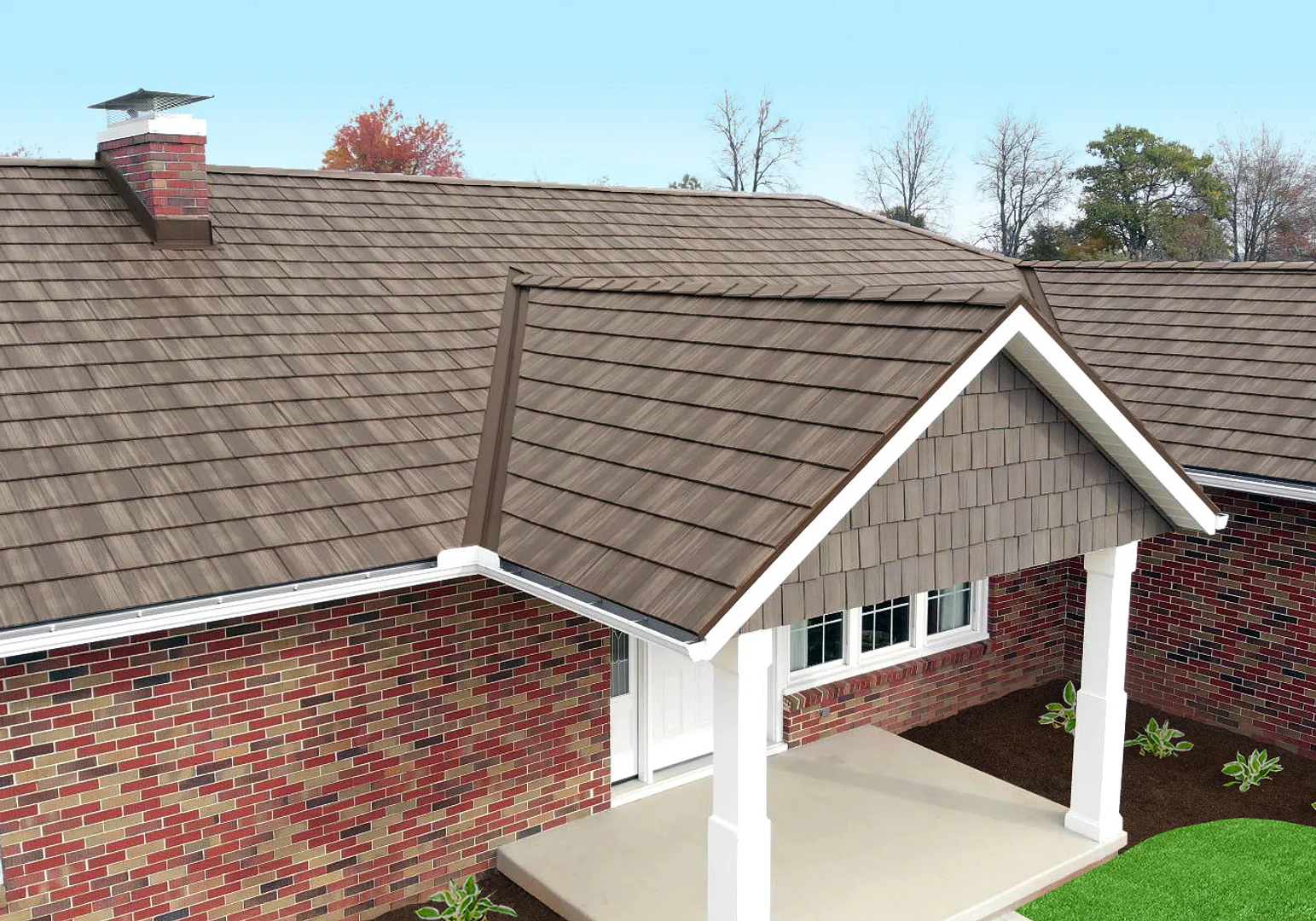
If your concern is the potential damage from postponing work on a failing roof, Silver Leaf’s separate article explains the cost of waiting until spring.
How to Decide Whether to Replace This Fall
If your roof has been showing signs of trouble for months, fall is a good time to find out whether a repair is still enough or whether replacement should happen before winter. A small, isolated problem may still be suitable for roof repair, while recurring leaks, widespread shingle damage, or deterioration in several areas can point toward a roof that is nearing the end of its useful life.
If the roof is still in good condition and you are mainly preparing for colder weather, Silver Leaf’s fall roofing checklist for Canton homes may be the better next step. The key is knowing which situation you are dealing with before winter arrives.
Questions to Ask Before You Set an Installation Date
Use the written proposal and a short conversation to resolve four practical points:
- What Weather Would Postpone the Work? Ask how rain, wind, and temperature affect tear-off, and how a changed date will be communicated.
- How Will Materials Be Installed in Cool Weather? Ask which manufacturer instructions apply to the proposed shingles, underlayment, and sealing method.
- What Happens if Decking Is Damaged? Ask to see findings and approve any change in scope and price before additional work proceeds.
- What Protects the Home if the Forecast Changes? Ask about the plan if weather interrupts work after removal of the existing roof.
A good answer identifies the proposed materials and what the crew will do when conditions depart from the plan; it does not rely on a blanket assurance that fall weather will cooperate.
Frequently Asked Questions
Is fall a good time to replace a roof in Ohio?
Yes, fall can provide good opportunities for roof replacement when the weather is dry, and the selected roofing materials can be installed properly. The condition of your roof and the forecast for the installation dates matter more than choosing a particular month.
How cold is too cold to replace a roof?
There is not one temperature that applies to every roofing product. Asphalt shingles can become stiffer in colder weather, and manufacturers may require additional installation steps when temperatures drop. Your contractor should follow the requirements for the specific roofing system being installed.
What happens if it rains on the day of my roof replacement?
The contractor may postpone the work if conditions are not suitable for removing and installing roofing materials. Before the project begins, ask how weather delays are handled and how your home will be protected if conditions change after work has started.
Should I repair my roof now or replace it before winter?
That depends on the condition of the roof. A localized problem may be suitable for repair, while recurring leaks or widespread deterioration may make replacement more practical. An inspection can help determine which option addresses the underlying problem instead of simply covering up a symptom.
Plan Your Replacement Before the Weather Decides for You
If roof replacement has been sitting on your to-do list since summer, fall is a good time to decide before winter weather narrows the installation window. An inspection can show whether the roof still has time left, needs a targeted repair, or is ready for replacement now.
Schedule a free estimate with Silver Leaf Contracting to have your roof evaluated and discuss a realistic fall replacement schedule.